At a glance
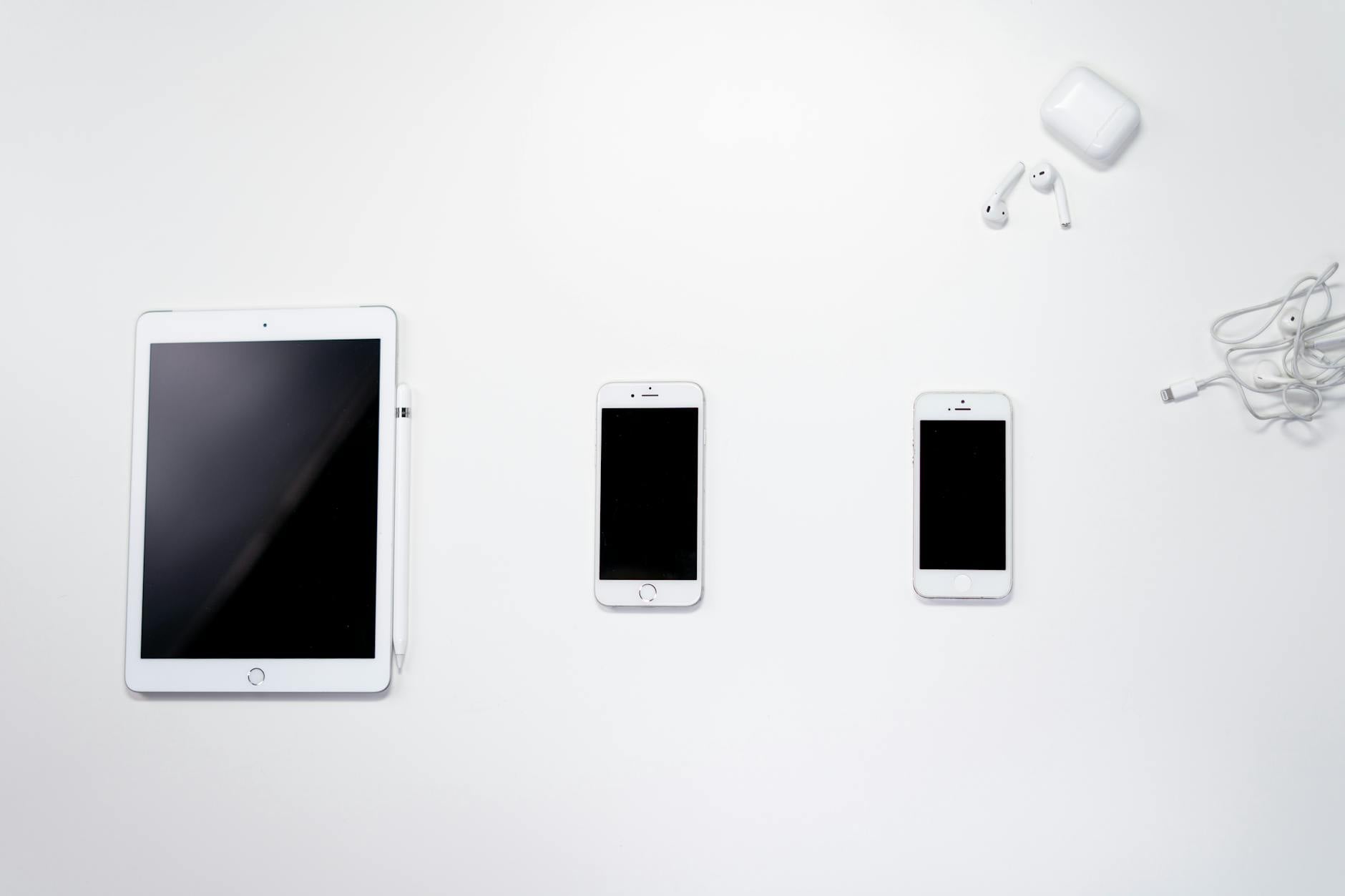
Apple iPad Air (5th gen, M1) and Samsung Galaxy Tab S9 are the two leading mid-premium tablets in Singapore. The iPad Air starts from S$999 (Wi-Fi, 64GB) while the Tab S9 starts from S$1,098 (Wi-Fi, 128GB). Both offer excellent build quality, vibrant screens, and strong performance. The iPad Air leans on the M1 chip and Apple ecosystem; the Tab S9 brings IP68 water resistance, an included S Pen, and DeX mode. Your choice depends on whether you prioritise app ecosystem and seamless Apple integration (iPad) or multitasking flexibility and included stylus (Tab S9).
Feature-by-feature comparison
Pricing and value
The iPad Air starts at S$999 for 64GB Wi-Fi, while the Tab S9 starts at S$1,098 for 128GB Wi-Fi. In Singapore, the Tab S9 often comes with bundled accessories or trade-in offers. The iPad Air’s storage tiers jump to 256GB (S$1,249) and 512GB (S$1,699). The Tab S9 offers 128GB base, 256GB (S$1,198), and 512GB (S$1,398) — plus microSD expansion up to 1TB, which the iPad lacks. For pure storage value, the Samsung wins. But the iPad Air’s M1 chip delivers desktop-class performance that justifies its price for creative pros.
Display and design
Both tablets feature 11-inch Liquid Retina (iPad Air) and Dynamic AMOLED 2X (Tab S9) displays. The iPad Air uses an IPS LCD with 2360x1640 resolution, P3 wide colour, and True Tone. The Tab S9 boasts a 2560x1600 AMOLED with 120Hz refresh rate — smoother scrolling and deeper blacks. In bright Singapore sunlight, the Tab S9’s 420 nits (typical) vs iPad Air’s 500 nits means the iPad is slightly more readable outdoors. Both support HDR10/10+ (Samsung) and Dolby Vision (Apple). The Tab S9’s 120Hz makes a noticeable difference for note-taking and gaming. Design-wise, both are aluminium unibody, but the Tab S9 adds IP68 dust/water resistance — a rare tablet feature, handy for Singapore’s tropical downpours.
Performance and software
The iPad Air runs on Apple’s M1 chip (8-core CPU, 8-core GPU) with 8GB RAM. The Tab S9 uses Qualcomm Snapdragon 8 Gen 2 for Galaxy (4nm, 8-core) with 8GB or 12GB RAM. In Geekbench 6 multi-core, the M1 scores around 8,400 vs Snapdragon 8 Gen 2’s ~5,600. For intensive tasks like 4K video editing or 3D rendering, the iPad is faster. For everyday apps and multitasking, both are snappy. The iPad runs iPadOS 17 with Stage Manager for multitasking; the Tab S9 runs Android 14 with One UI 6 and DeX mode — a desktop-like interface with resizable windows. Samsung promises 4 major OS updates and 5 years of security patches. Apple provides 5-6 years of iPadOS updates. Both are well-supported in Singapore.
Battery and charging
iPad Air: 28.6Wh battery (claimed 10 hours Wi-Fi video). Tab S9: 8,400mAh (claimed 14 hours video). In real-world mixed use, both last a full workday. The Tab S9 supports 45W super fast charging (charger sold separately) — can reach 65% in 30 minutes. iPad Air supports 20W USB-C PD, reaching 50% in 30 minutes. Samsung also supports 15W wireless charging (iPad Air has no wireless charging). For heavy users in Singapore’s humid weather, the Tab S9’s faster charging and wireless option add convenience.
Accessories and ecosystem
The iPad Air uses 2nd-gen Apple Pencil (S$179) and Magic Keyboard (S$479). The Tab S9 includes the S Pen in the box — a huge value advantage. The S Pen attaches magnetically to the back and charges wirelessly. For keyboards, Samsung’s Book Cover Keyboard (S$299) is cheaper than Apple’s Magic Keyboard. Both support trackpad gestures. The iPad Air’s ecosystem is deeper: universal clipboard, AirDrop, Sidecar (use as Mac second display). The Tab S9 integrates with Samsung phones via Quick Share, and with Windows via Phone Link. For Singapore users with an iPhone/Mac, the iPad is seamless; for Android/Windows users, the Tab S9 is more flexible.
Connectivity and storage
Both offer Wi-Fi 6E (iPad Air) and Wi-Fi 6E (Tab S9). Cellular models add 5G. The Tab S9 includes a microSD slot (up to 1TB) — the iPad Air has no expandable storage. For Singaporeans who store lots of media offline, the Samsung is better. The iPad Air has a USB-C 3.1 Gen 2 port (up to 10Gbps) vs Tab S9’s USB-C 3.2 (up to 10Gbps). Both support DisplayPort out. Audio: iPad Air has two speakers with landscape stereo; Tab S9 has four speakers tuned by AKG with Dolby Atmos — louder and richer sound.
Cameras
iPad Air: 12MP f/1.8 rear, 12MP f/2.4 ultra-wide front with Center Stage. Tab S9: 13MP f/2.0 rear, 12MP f/2.4 ultra-wide front. Both shoot 4K video. The iPad’s front camera is better for video calls (Center Stage keeps you framed). The Tab S9’s rear camera has a flash and is slightly sharper. For document scanning or occasional photos, both are fine. Neither replaces a smartphone camera.
Support in Singapore
Apple has official stores (Apple Orchard Road) and authorised service centres island-wide. Samsung has multiple experience stores and service centres (e.g., Plaza Singapura, VivoCity). Both offer 1-year warranty. AppleCare+ (S$129-199) extends to 2 years with accidental damage. Samsung Care+ (S$99-169) offers similar. Response times are comparable. For warranty claims, Apple’s walk-in service is generally faster.
Verdict: which one for whom
Choose the iPad Air if: you’re deep in the Apple ecosystem (iPhone, Mac), need raw performance for creative work (video editing, drawing with Procreate), or want the best app selection for tablets. It’s the better device for professionals and artists who value software polish and long-term support. Choose the Samsung Galaxy Tab S9 if: you want an included stylus, expandable storage, water resistance, and a more PC-like multitasking experience. It’s ideal for students, note-takers, and Android/Windows users who want a versatile tablet that doubles as a laptop replacement with DeX. In Singapore, the Tab S9’s IP68 rating and microSD slot give it practical advantages for outdoor and media-heavy use. Both are excellent — your ecosystem and specific needs will decide the winner.